

Garmin GI 275 Base with GEA 24


Garmin GI 275 Base with GEA 24
ONE DISPLAY. ALL YOUR ENGINE, FUEL AND ELECTRICAL INFORMATION.
Replace analog engine gauges in your airplane with this advanced, cost-effective and easy-to-install engine indication system (EIS). So you can manage your engine operation and protect your investment.
PRIMARY EIS CAPABILITIES
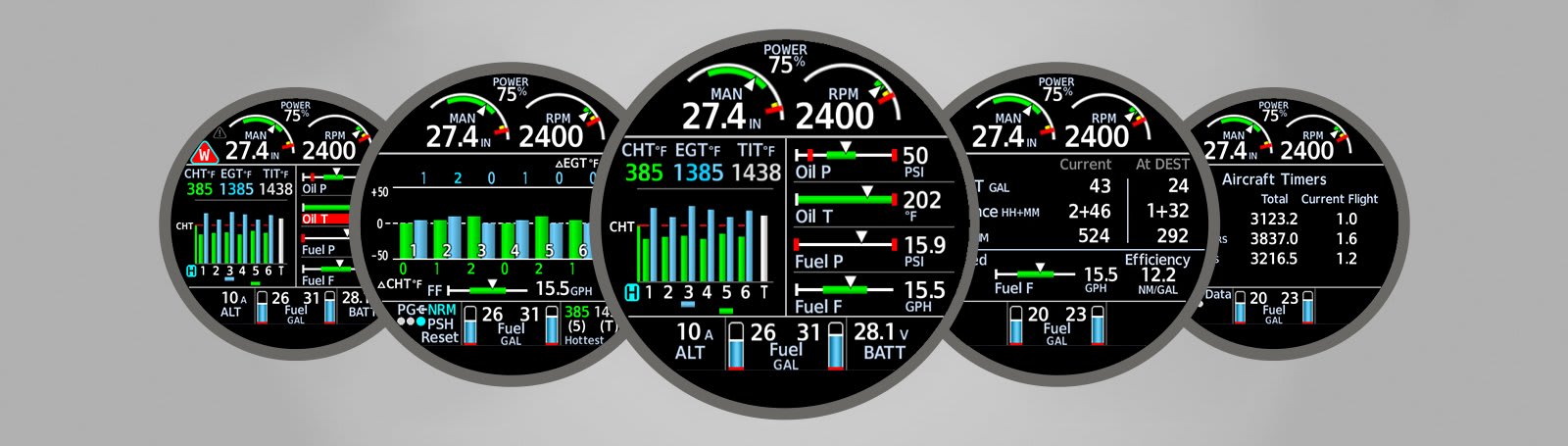
With an installed interface module and sensors, GI 275 serves as an all-in-one primary EIS display for piston engine aircraft — so you can remove outdated analog gauges. Install dual GI 275 displays to monitor twin-engine aircraft.
COMPREHENSIVE INDICATIONS
The GI 275 main page displays engine, fuel and electrical data with easy-to-interpret color bands, bar gauge indications and numerical readouts. Your installer will configure your system for your aircraft with the appropriate indications.
PERCENT POWER
Calculated percent power1 can be displayed at the top of each EIS page. Using sensor readings, this provides an estimated percentage of the maximum engine power for the current engine power settings.
CHT/EGT MONITORING
Tap the temperature graphs on the main EIS page to enter the CHT/EGT page and view a detailed graphical display of cylinder head and exhaust gas temperatures, so you can pinpoint the optimal fuel/air mixture for efficient power management.
LEAN ASSIST MODE
GI 275 automatically checks the EGT of all cylinders and identifies your preferred rich/lean setting to balance efficiency and performance. The CHT/EGT page also displays markings above each cylinder to indicate peak temperatures during leaning operations.
NORMALIZED (NRM) MODE
In NRM mode, the CHT/EGT page displays engine temperatures relative to a normalized value to increase indication sensitivity, so you can see trends quickly.
PILOT ADVISORIES
Configure your GI 275 EIS to show alerts you’ve set to prevent getting close to POH limits, including high CHT, battery voltage, oil temperature, high CHT cooling rate and more.
EXCEEDANCES ALERTING
Color-coded pilot alerts/advisories, set up to POH limits, help maintain engine performance and safety. Flashing cues quickly identify out-of-limit exceedances.